Dog scratches the owner’s interior door
Claimant
Homeowner
Section to inspect
Dwelling/property coverage and covered causes of loss
Exclusion check
Animal damage, wear, maintenance and applicable deductible

Identify whose property or injury is involved before interpreting pet provisions in a homeowners policy.
Use these checkpoints to frame the literal question before reading the full guide.
A homeowners pet provision concerns property or liability exposures, not ordinary veterinary health insurance. Begin with the declarations, liability section and animal endorsements. The same pet can create very different questions when it damages your door, damages a visitor’s belongings or injures another person.
The sections below show how to verify the answer and what can change it.
NAIC’s homeowners consumer guide separates property protection, personal liability and medical payments to others. Those categories help organize a pet incident, but a summary cannot override exclusions in the issued contract. Who owns the damaged item and who is seeking payment are essential facts.
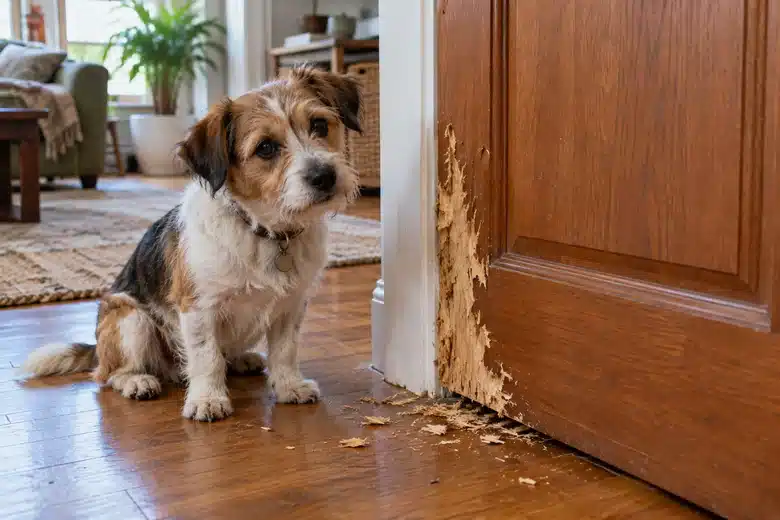
| Loss scenario | Claimant | Section to inspect | Exclusion check |
|---|---|---|---|
| Dog scratches the owner’s interior door | Homeowner | Dwelling/property coverage and covered causes of loss | Animal damage, wear, maintenance and applicable deductible |
| Pet damages a visitor’s bag | Visitor | Personal liability and damage-to-property provisions | Property in care/custody, animal and intentional-act wording |
| Pet injures a guest | Injured person | Liability and medical payments to others | Animal/breed restrictions, insured-person status and occurrence terms |
| Pet needs its own veterinary treatment | Pet owner | Separate veterinary policy, if held | Do not treat human medical-payments wording as pet health cover |
A declarations page showing a liability limit is not enough to answer an animal-related claim. Pair the base form with every endorsement listed for the policy term. A restriction may describe an animal, an incident history or a defined category of loss. Preserve its exact wording rather than replacing it with an informal statement that pets are covered.
Attend to safety and necessary medical care first. Record the facts and retain damaged-item evidence where safe. Consult the notice and cooperation duties in the policy before making a settlement promise. A visitor’s demand, a lawsuit and a veterinary invoice are not interchangeable claim documents. This is a document-reading framework, not a liability determination or legal advice.
No jurisdiction-specific operative homeowners form, animal endorsement and declarations set has been verified for this article. Consequently it cannot say that a particular pet or incident is insured. A generic liability description is not a substitute for that evidence.
Do not infer that from liability or medical-payments wording. Veterinary expense insurance is a separate product question.
No. Definitions, exclusions and animal endorsements may change whether the loss reaches that limit.
This article does not imply that the specific animal, liability product, state or service discussed above is covered by the site's partner. If you are separately comparing medical insurance for U.S. domestic dogs or cats, the next button opens a separate quote route for that product; check the actual policy for eligibility and exclusions.